
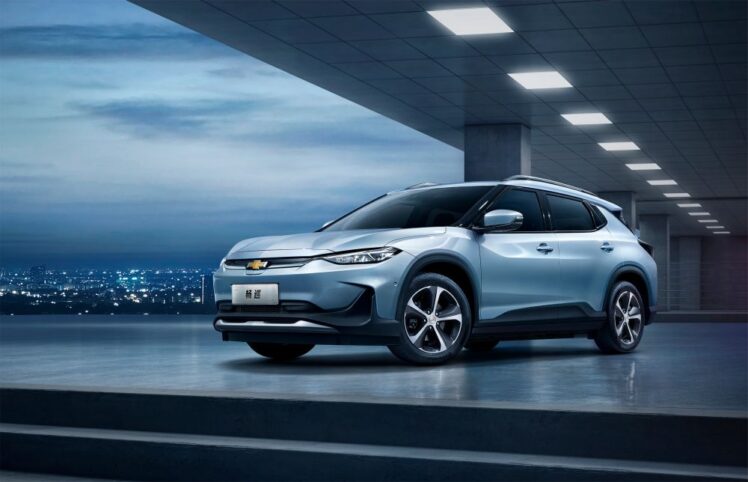
Chevrolet has officially halted sales of new vehicles in China, marking another high-profile exit of a legacy automaker from the world’s largest auto market. While the brand will no longer sell cars to Chinese consumers, GM is keeping its Chinese factories running, shifting production entirely to exports for markets in the Middle East, Africa, South America, Mexico, and parts of Asia-Pacific.
The decision illustrates how global automakers are increasingly separating production strategy from retail strategy. A brand may no longer be competitive with local buyers in one market while its existing manufacturing network can still make economic sense as an export base. For GM, continuing production in China allows the company to use established factories, suppliers, and logistics infrastructure without relying on Chevrolet showroom demand inside the country.
Why Chevrolet Is Leaving China?
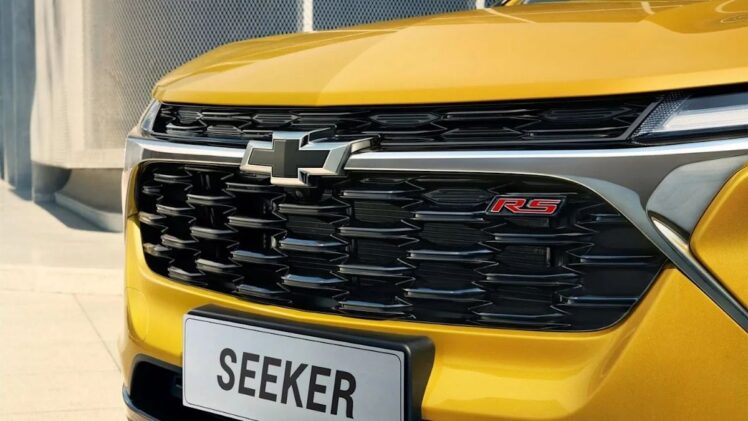
Chevrolet’s retreat follows a dramatic, decade-long sales collapse. At its peak in 2014, Chevrolet sales exceeded 767,000 units annually in China. By 2025, that number had plummeted to fewer than 9,000 units – about an 83% year-over-year drop. In the first half of 2026, Chevrolet sold just 36 vehicles across the entire country, with some months recording zero or single-digit sales.
The experts in cars for sale – Indy Auto Man dealership – explain that the reasons are straightforward: fierce competition from domestic Chinese brands, especially in the electric and hybrid segments, combined with pricing pressure from GM’s own Buick lineup, eroded Chevrolet’s relevance. Chinese EV makers have rapidly captured market share with affordable, tech-forward models, leaving traditional joint-venture brands struggling to keep pace.
Consumer expectations in China have also changed quickly. Buyers increasingly compare vehicles not only by engine performance or brand reputation, but also by battery range, charging capability, driver-assistance technology, infotainment systems, connectivity, and software features. Domestic manufacturers have been able to update vehicles rapidly and compete aggressively on price, making the market particularly difficult for established foreign brands whose model cycles and cost structures were built around a different competitive environment.
GM’s broader China strategy remains intact. The company sold nearly 1.9 million vehicles in the country last year—a 2.3% increase—driven by strong NEV sales and growth across several GM brands. The SAIC-GM joint venture also plans to launch at least 30 new hybrid and electric models by 2030, signaling that GM is doubling down on its premium and electrified offerings while exiting the mass-market Chevrolet segment.
That distinction is important because Chevrolet’s withdrawal does not represent a complete GM departure from China. Instead, it shows a more selective approach in which the company concentrates investment on brands and powertrains that still have stronger positioning with Chinese consumers. The strategy could also help GM avoid having several of its own brands competing for similar customers in an already crowded market.
Chevrolet’s Strong Performance in the U.S. Market
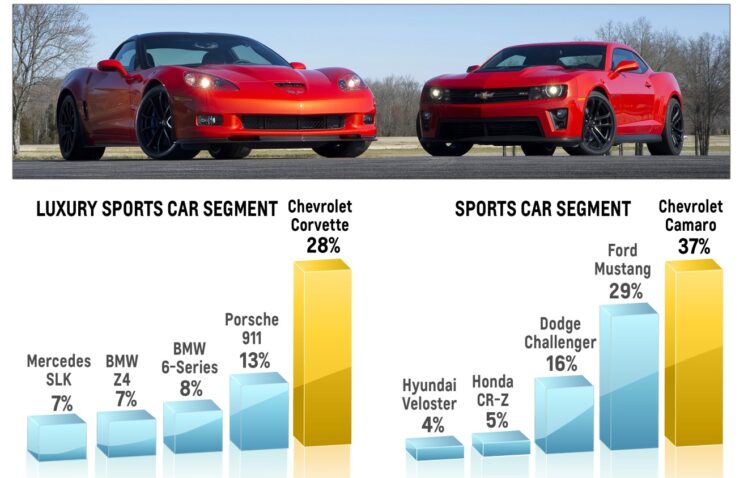
While Chevrolet struggles in China, the brand remains a major force in the U.S. market. In 2025, Chevrolet sold over 1.82 million vehicles in the United States, maintaining leadership positions in key segments like full-size pickups (Silverado), midsize SUVs (Equinox, Traverse), and performance cars (Camaro, though recently discontinued).
The Silverado alone continues to be one of the best-selling vehicles in America, competing directly with the Ford F-Series and Ram Pickup. Chevrolet’s strong domestic performance underscores a broader trend: many legacy brands are finding greater success in North America than in increasingly competitive Asian markets.
Chevrolet also benefits from a vehicle lineup that closely matches American driving habits. Pickups and larger SUVs remain important choices for towing, construction, farming, family transportation, and long-distance travel. A large dealership and service network gives the company another advantage, particularly in suburban and rural markets where buyers often consider access to maintenance and parts alongside the initial purchase price.
Used Chevrolet Models Remain Popular Across the U.S.
Even as new Chevrolet sales face headwinds in some global markets, used Chevy models continue to dominate the American secondary market. Vehicles like the Silverado, Equinox, Malibu, and Tahoe are among the most searched and traded used cars nationwide, thanks to their reputation for durability, affordable maintenance, and strong resale value.
In Indiana, where truck and SUV demand is particularly high, used Chevrolet models are a staple at dealerships. For example, Indy Auto Man, a prominent used car dealer in the Indianapolis area, regularly features a robust inventory of pre-owned Chevys – including Silverado pickups, Equinox crossovers, and Tahoe SUVs – catering to Hoosier buyers looking for reliable, American-made vehicles at competitive prices. Their inventory reflects broader national trends: used Chevys are consistently among the top choices for budget-conscious families and fleet buyers alike.
The depth of Chevrolet’s used inventory is another reason the brand remains visible even when shoppers are not purchasing new vehicles. Years of strong U.S. sales mean there is a steady supply of vehicles entering the secondary market through trade-ins, lease returns, and fleet replacement cycles. Buyers can often choose between multiple model years, trim levels, engines, and price ranges, which helps Chevrolet appeal to customers with very different budgets.
For used-car shoppers, availability also matters after the purchase. Common models generally have broad access to replacement parts and mechanics familiar with their maintenance requirements. That can make established vehicles such as the Silverado, Tahoe, Malibu, and Equinox easier to own in areas where specialized repair facilities may be limited.
Broader Industry Context
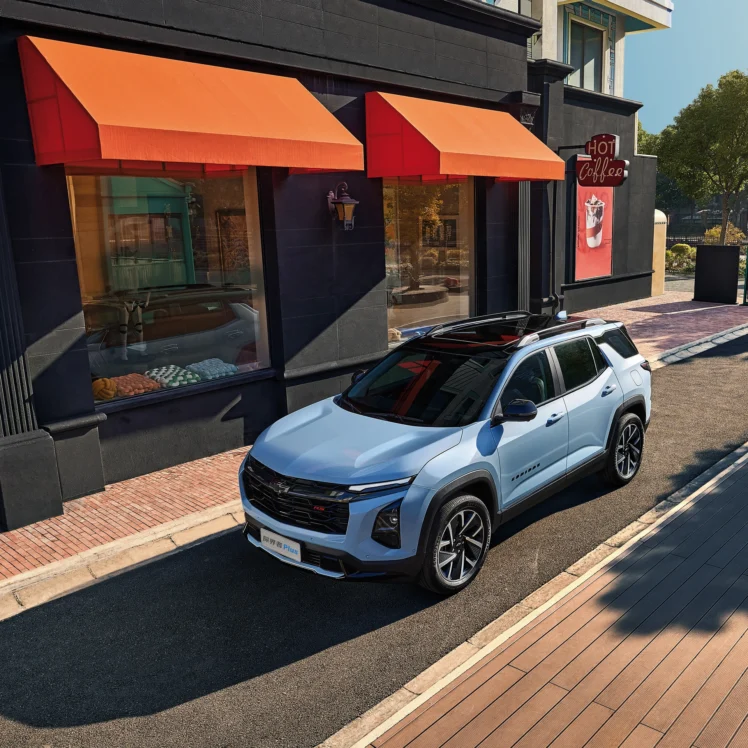
Chevrolet’s exit follows a similar move by Škoda earlier this year, which also cited collapsing sales and overwhelming competition from Chinese EV brands. These departures highlight a structural shift in the global auto industry: legacy brands that once dominated emerging markets are now being displaced by agile, locally tuned competitors with superior electrification strategies and cost advantages.
The shift could influence vehicle markets far beyond China. As Chinese manufacturers expand internationally and traditional automakers rethink where individual brands can compete profitably, consumers may see increasingly different vehicle lineups depending on the region. Models that disappear from one country may continue to be produced for others, while factories originally built for domestic demand may increasingly serve export markets.
For American consumers, however, Chevrolet’s domestic strength ensures that the brand will remain a major player in both new and used vehicle markets for the foreseeable future. While the “Golden Bowtie” may no longer be sold in Chinese showrooms, it’s still very much alive on American roads—from dealer lots to driveways across the Sun Belt.