
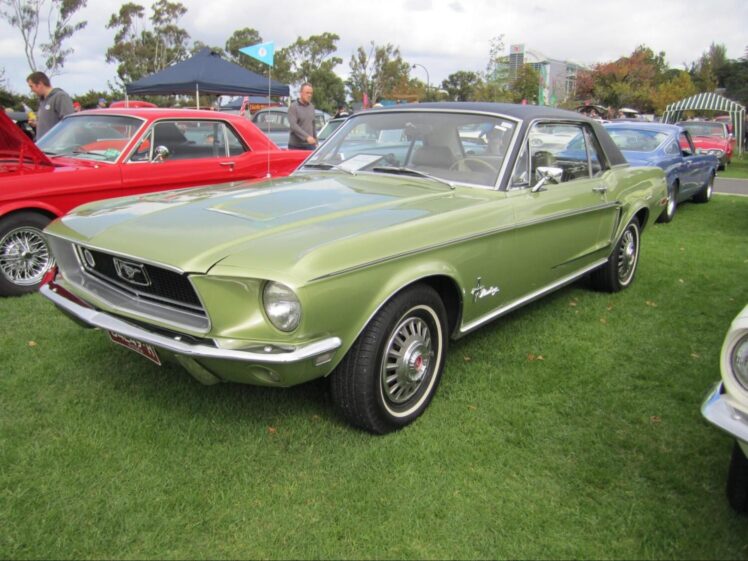
There’s something fundamentally different about driving a convertible. It changes the relationship between driver, machine, and environment in a way that closed-roof cars simply cannot replicate. When that experience is paired with the character of a late-1960s muscle car, it creates something that feels both timeless and deeply engaging.
The 1968 Mustang convertible represents this balance perfectly. It combines the raw performance and unmistakable styling of the muscle car era with the freedom of open-air driving, making it one of the most distinctive vehicles of its time, and one that continues to resonate today.
The Unique Appeal of Convertible Muscle Cars
Convertible muscle cars occupy a unique space in automotive culture. While coupes and fastbacks often emphasize performance and structure, convertibles add an experiential layer that transforms how the car is perceived. The absence of a fixed roof creates a sense of openness that enhances every aspect of the drive.
This design choice also reflects a broader philosophy. These cars were not just built for speed, they were built to be enjoyed. The ability to lower the top and fully engage with the surroundings adds a dimension that remains unmatched in many modern vehicles.
The 1968 Mustang GT Convertible in Context
A Balance of Style and Performance
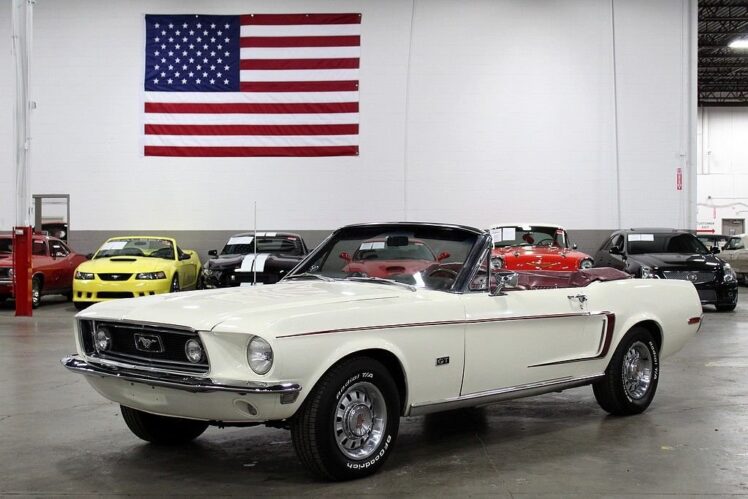
The 1968 Mustang GT convertible stands out for its ability to balance aesthetics with capability. Its clean lines, bold stance, and carefully proportioned design give it a presence that feels both refined and aggressive. Unlike some performance cars that sacrifice comfort for speed, it manages to deliver both.
This versatility is part of what makes the model so enduring. It appeals to drivers who value performance, but also to those who appreciate the experience of simply being behind the wheel.
Its Place Among Muscle Car Icons
When discussing the most influential American muscle cars, the Mustang consistently appears at the forefront. Lists such as this overview of standout muscle cars highlight how models from this era continue to define the category.
The convertible variant adds another layer to this legacy, demonstrating that performance and enjoyment can coexist without compromise.
Reimagining the Convertible for Modern Drivers
As interest in classic cars grows, so does the demand for vehicles that combine vintage design with modern reliability. This has led to a rise in reengineered builds that preserve the original look while incorporating updated components.
For enthusiasts seeking that combination, the 1968 Mustang GT convertible offers a compelling interpretation. It retains the character of the original model while addressing the practical limitations associated with older vehicles, making it more suitable for regular use.
This approach allows drivers to enjoy the essence of a classic convertible without sacrificing performance or dependability.
How Custom Builds Are Shaping the Market
Modern Engineering Meets Classic Design
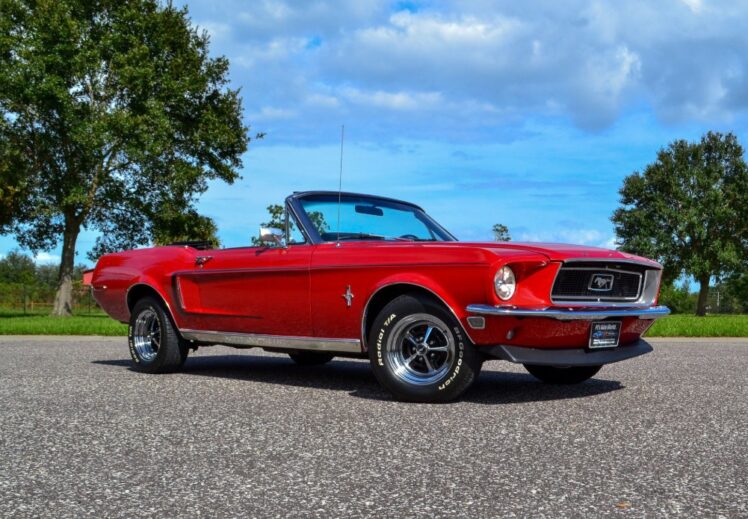
Custom builds have become an important part of the classic car landscape. They allow enthusiasts to experience iconic designs while benefiting from advancements in engineering. Improved suspension systems, upgraded braking components, and more reliable powertrains all contribute to a more refined driving experience.
Examples of modern performance builds, such as this look at high-end auto customisation trends and services, illustrate how contemporary engineering can enhance traditional platforms without overshadowing their identity.
Expanding Accessibility for Enthusiasts
These builds also make classic cars more accessible to a broader audience. Not every enthusiast has the time or resources to maintain an original vehicle, but modern interpretations provide a practical alternative. They offer the same visual appeal and emotional connection while reducing the challenges associated with ownership.
This shift is helping to sustain interest in classic designs, ensuring that they remain relevant in an evolving market.
The Driving Experience – Why It Still Stands Out
Driving a classic convertible like the 1968 Mustang GT is an experience defined by its immediacy. The sound of the engine, the feel of the road, and the open-air environment combine to create something that feels immersive and authentic.
Unlike modern vehicles, which often filter out these sensations, classic cars embrace them. This rawness is a key part of their appeal, offering a connection that feels increasingly rare in today’s automotive landscape.
It’s not just about performance, it’s about how that performance is experienced. And in that regard, the convertible stands apart.
Why Convertibles Continue to Matter
As the automotive industry moves toward greater automation and electrification, the role of convertibles becomes even more significant. They represent a form of driving that prioritizes experience over convenience, reminding us of what makes being behind the wheel enjoyable.
The 1968 Mustang GT convertible exemplifies this philosophy. It offers a blend of performance, design, and engagement that remains relevant, even as the industry evolves.
For enthusiasts, it serves as both a connection to the past and a benchmark for what driving can be.
Conclusion
The 1968 Mustang convertible stands as a testament to the enduring appeal of open-air performance. Its combination of design, capability, and driving experience continues to captivate enthusiasts, proving that some automotive ideas never lose their relevance.
By blending classic styling with modern engineering, today’s interpretations ensure that this legacy remains accessible. They allow drivers to experience the best of both worlds, honoring the past while embracing the future, all with the top down and the road ahead wide open.